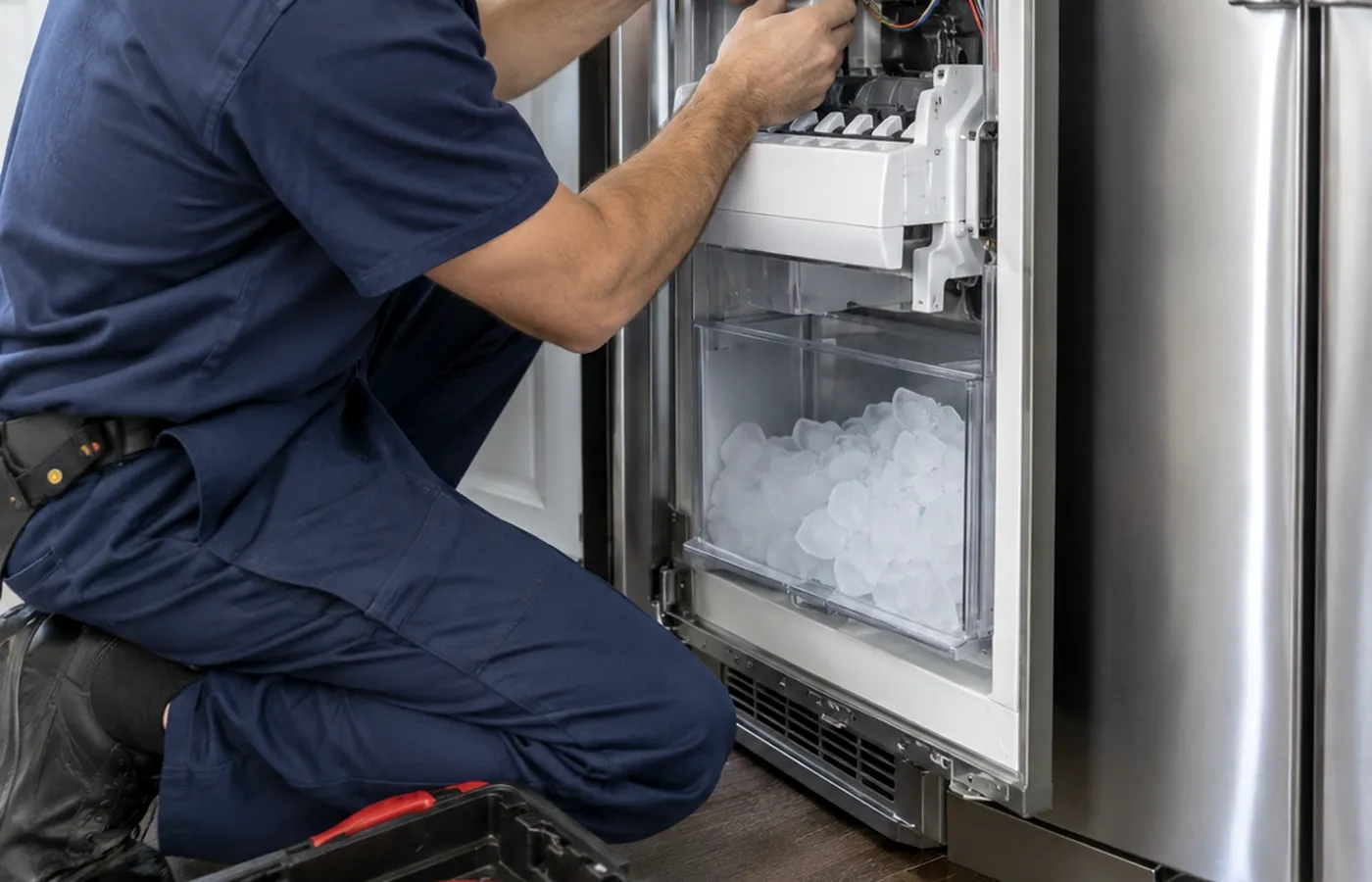
What does this symptom actually tell you?
For “Ice Maker Not Working: What Stops Ice Production?,” the useful clues are the timing, the functions that still work and any change that happened just before the symptom. Those observations narrow the ice maker systems that deserve testing without treating one visible behavior as proof of a failed part.
For “Ice Maker Not Working: What Stops Ice Production?,” describe the ice maker in plain language: what happens, what does not happen, and the cycle stage or condition where the behavior changes. That is more useful than choosing a board, pump, valve or other component before testing.
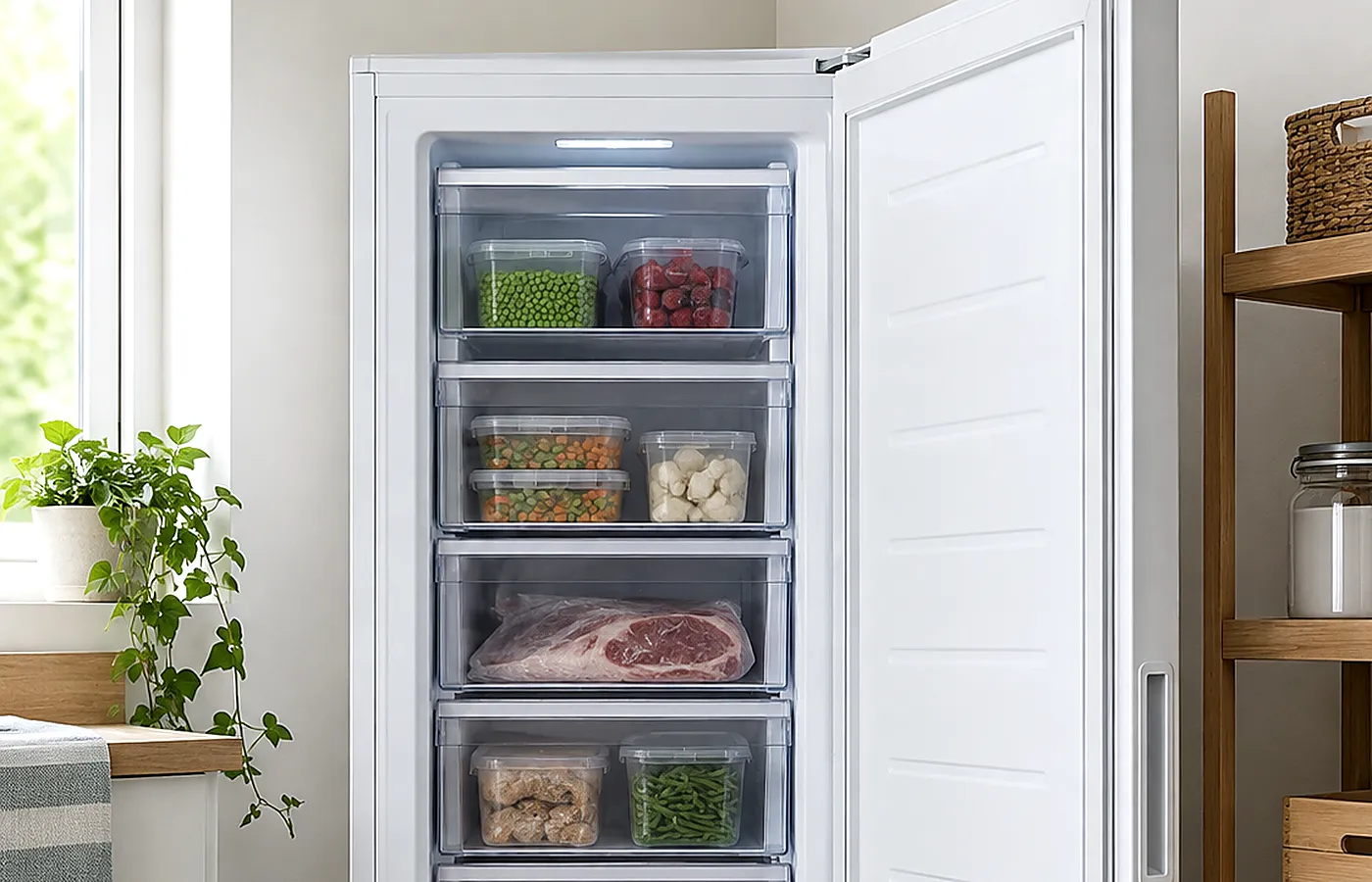
Freezer temperature too warm
Ice production slows or stops when the freezer is not cold enough. A cooling, airflow or door-seal issue can therefore look like an ice-maker failure even when the ice-maker assembly itself is functional.
Water supply interrupted
A closed valve, kinked line or plumbing issue can stop water from reaching the appliance. If the dispenser also has weak or no flow, the broader water-supply path deserves attention.
Restricted water filter
On systems that route ice-maker water through a filter, severe restriction can reduce fill volume. Small or hollow cubes can be a clue that water is reaching the tray but not in the expected amount.
Frozen or blocked fill tube
Moisture can freeze in the fill tube and prevent water from entering the ice maker. Repeated refreezing can indicate a valve or temperature condition rather than a one-time ice plug.
Inlet valve problem
The valve must open during the fill command and close afterward. A failed valve can cause no fill, weak fill or overfilling depending on the fault.
Ice-maker module or sensor issue
Motors, position sensing, shutoff arms, optical sensors and control boards vary by model. The exact refrigerator model is important because ice-maker designs and diagnostic procedures differ widely.
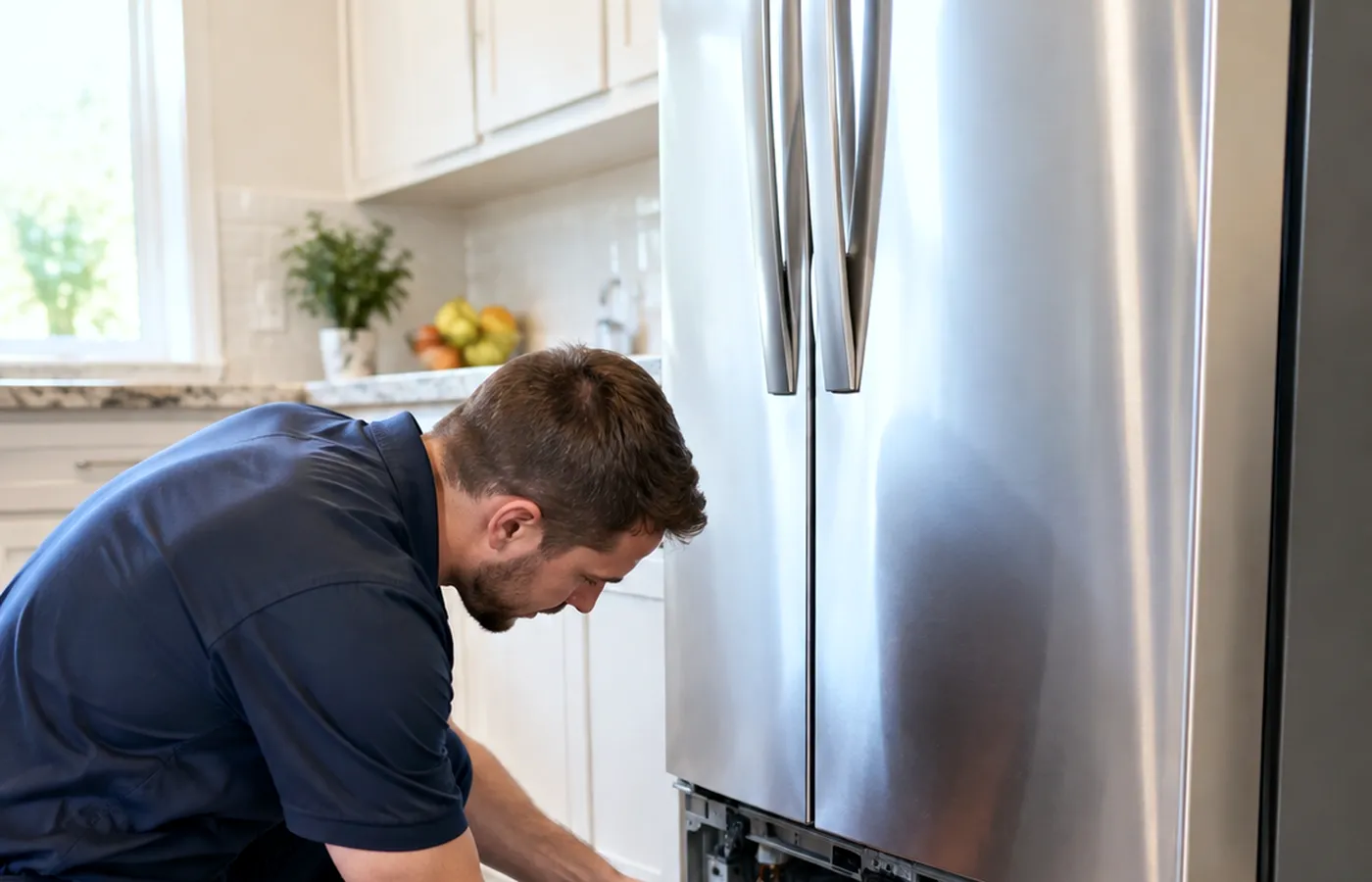
What can you safely check before service?
Keep checks for “Ice Maker Not Working: What Stops Ice Production?” external and low risk. Do not defeat door, lid or thermal safety devices, remove energized panels or continue testing the ice maker when a clear safety warning is present.
- Confirm the ice maker is switched on and the bin is seated correctly.
- Check whether the freezer is maintaining normal freezing temperature.
- Look for an obviously kinked household water line without moving the refrigerator unsafely.
- Check the status of the user-replaceable filter if the model uses one.
- Do not chip a frozen fill tube with a sharp object.
How does the symptom pattern change the diagnostic path?
The symptom combinations below organize the diagnostic path for “Ice Maker Not Working: What Stops Ice Production?.” They are observation patterns, not instructions to replace a specific part without testing.
| What you notice | Areas usually considered |
|---|---|
| No ice and weak dispenser flow | Water supply, filter or inlet path |
| No ice but dispenser works normally | Ice-maker fill/control or freezer temperature |
| Small or hollow cubes | Low fill volume, filter or water flow |
| Ice maker overfills or leaks | Valve, fill tube or control issue |
When should you stop using the appliance?
Stop using the ice maker if this problem is accompanied by smoke, sparking, burning odor, repeated breaker trips, severe overheating or uncontrolled water near electrical parts. For gas cooking equipment, a gas odor also requires immediate stop-use action.
If there is no immediate safety concern, avoid cycling the ice maker repeatedly just to reproduce “Ice Maker Not Working: What Stops Ice Production?.” Save any error code and note the cycle stage, sound, temperature or other condition present when the symptom appears.
When is professional refrigerator service the next step?
If the safe checks in “Ice Maker Not Working: What Stops Ice Production?” do not resolve the issue, the next step is model-specific diagnosis of the relevant ice maker system. Bring the brand, full model number, any error code and the symptom timing rather than relying on repeated resets.
- Describe the behavior. Explain what the appliance does and when the problem appears.
- Provide model information. The model identifies the appliance platform, component layout and service documentation.
- Flag safety concerns. Mention leaks, overheating, gas odor, electrical smell or repeated breaker trips before the visit.
- Confirm the failed condition. Testing should support the diagnosis before a repair decision is made.
Learn about Refrigerator Repair in Franklin → Find your appliance model number →
What should Franklin homeowners have ready?
For a Franklin service request about “Ice Maker Not Working: What Stops Ice Production?,” include the ZIP code and any gate, building or appliance-access instructions that affect the visit. Keep the technical description centered on the ice maker symptom and when it occurs.
View the Franklin service area → Prepare for an appliance repair appointment →
Frequently asked questions
Can the freezer be cold but still too warm for ice production?
Yes. The freezer can feel cold to the touch while still being outside the temperature range needed for consistent ice production.
Will a clogged filter stop the ice maker?
A severely restricted filter can reduce flow on systems that route ice-maker water through it, but the whole water path should be considered.
Why does the fill tube keep freezing?
Repeated freezing can be associated with water-valve behavior, fill alignment or temperature conditions. Clearing the ice alone may not address the cause.
Do I need the refrigerator model number for ice-maker service?
Yes. Ice-maker assemblies, sensors and controls vary significantly by model, so the full model number is especially useful.

Harpeth Appliance Works Editorial Team
This guide explains “Ice Maker Not Working: What Stops Ice Production?” for Franklin homeowners, with symptom-specific observations, safe external checks and the information that helps prepare a ice maker service request.
About our editorial approach →