
Age matters, but only in context.
Expected service life is an average, not an expiration date. Usage, maintenance, environment, installation and design can move an individual appliance far above or below a typical lifespan. A machine that is older but mechanically sound should not be discarded only because of its calendar age.
Age becomes more meaningful when combined with the type of failure. A simple switch or pump failure on a sound appliance is different from a major sealed-system failure on a refrigerator that has already had multiple problems.
Look at the condition of the whole appliance.
Check for rust, cracked tubs, damaged wiring, severe cabinet deterioration, repeated leaks, door damage and multiple unrelated faults. A repair can solve one problem while leaving another aging system close to failure.
Conversely, cosmetic wear does not necessarily affect function. A scratched cabinet or worn handle can make an appliance look older without changing the mechanical case for repair.

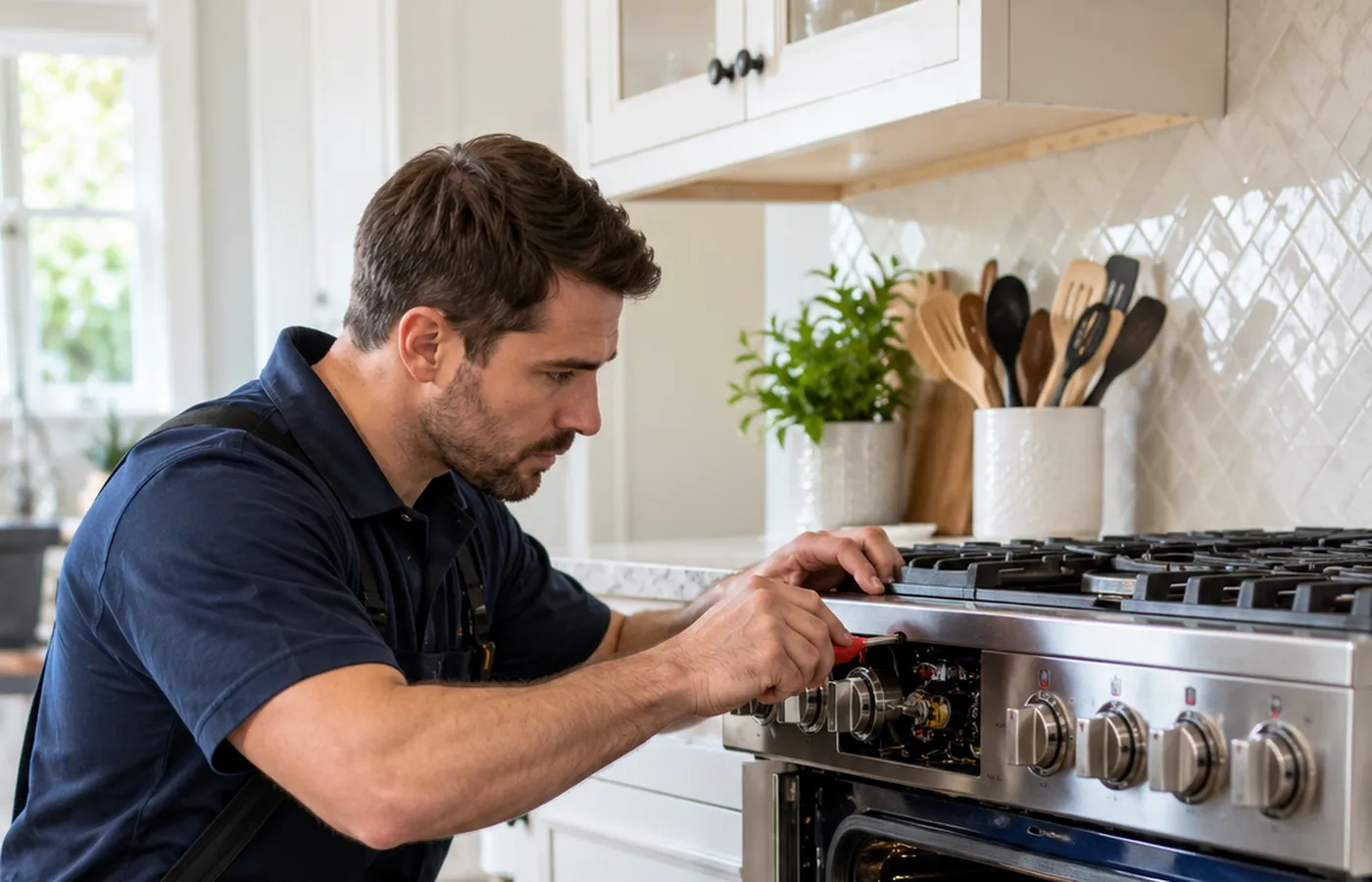
The failed system changes the decision.
Drain pumps, door switches, heating elements and other isolated components can be very different decisions from compressors, major controls, tubs or structural parts. The importance of the failure depends on the specific appliance and model.
Do not make the decision before diagnosis. If the failed component has not actually been identified, you are comparing replacement against a guess rather than against the real repair path.
Parts availability can outweigh age.
An appliance may be repairable in theory but difficult to support if the correct component is discontinued or only available through uncertain channels. Model-specific parts information matters more than broad statements about the brand.
On the other hand, older platforms with strong parts support can remain serviceable for many years. Ask whether the exact component is available and whether a revised or compatible manufacturer part exists.
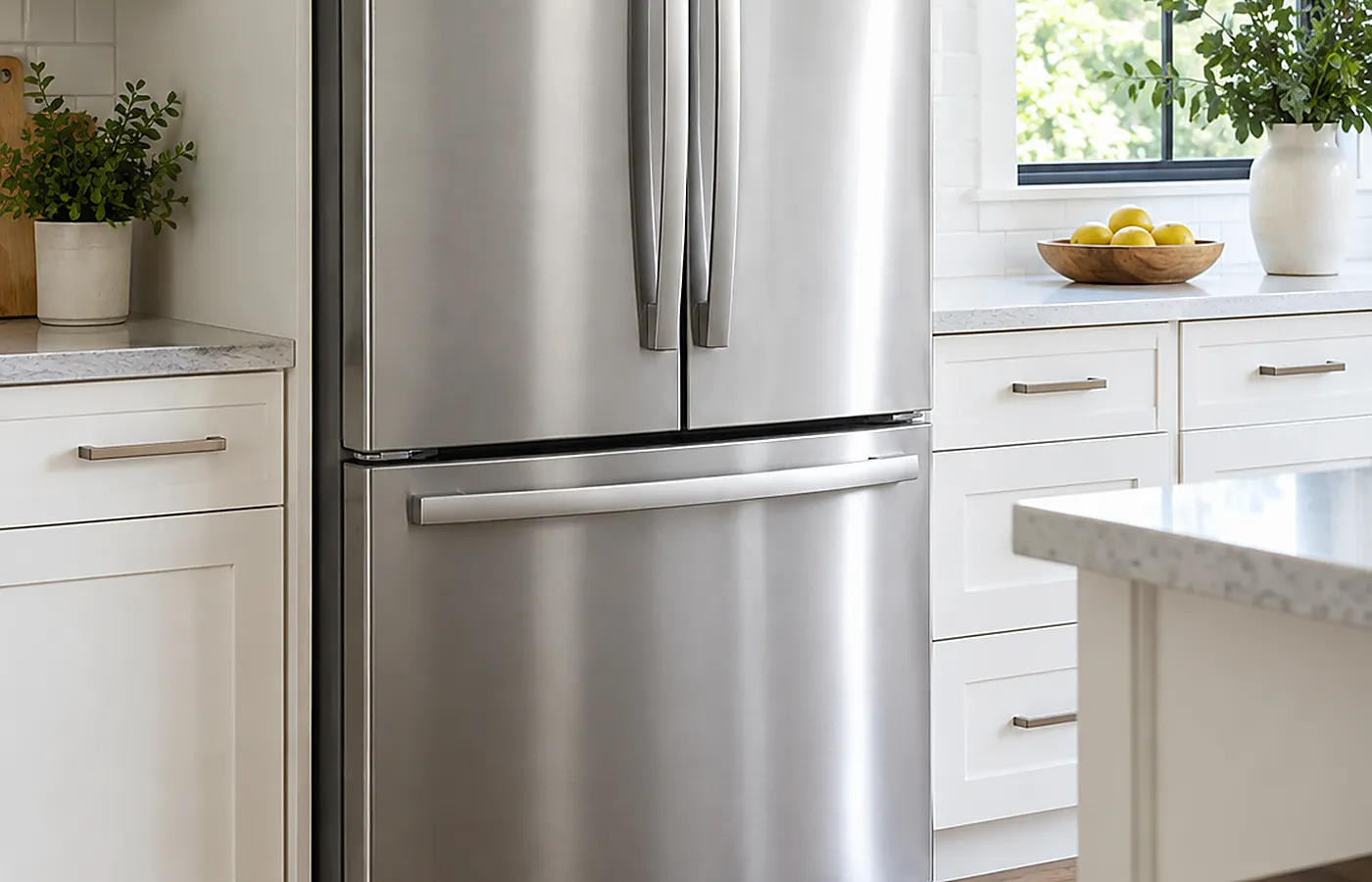
Replacement includes installation and fit considerations.
Built-in refrigerators, wall ovens, compact laundry spaces and paneled dishwashers can create fit and installation constraints that make replacement more complex than buying a box and plugging it in. Cabinet dimensions, electrical requirements, plumbing and venting can all matter.
That complexity does not mean repair is always preferable; it means the comparison should include the whole project rather than the appliance alone.
The household’s needs can change the answer.
A family doing several laundry loads a week may value capacity and downtime differently from a one-person household. A homeowner planning a kitchen renovation may make a different decision from someone who needs the current appliance to remain in place for several more years.
The best decision is the one that fits the diagnosed failure, appliance condition and household plan, not a universal rule copied from another model or another home.
Repair-versus-replacement decision factors
| Factor | Leans toward repair when… | Leans toward replacement when… |
|---|---|---|
| Overall condition | Other systems are sound | Multiple systems are deteriorating |
| Failure type | Isolated, accessible component | Major or repeated system failure |
| Parts support | Correct component is readily supported | Critical parts are obsolete or uncertain |
| Installation | Existing appliance fits a complex space well | New installation solves broader fit or function needs |
| Household plan | Current capacity/features still fit | Needs have materially changed |
This is a decision framework, not a formula. Diagnosis comes first because the exact failure changes nearly every other factor.
A five-step repair-or-replace decision
- Identify the actual failure. Do not compare replacement against an untested assumption.
- Assess the whole appliance. Look beyond the failed part to overall mechanical and structural condition.
- Confirm parts support. Verify the exact model and component availability.
- Consider installation implications. Account for fit, connections, built-in panels and surrounding cabinetry.
- Match the decision to household plans. Capacity, downtime and future renovation plans can change the practical choice.
Refrigerator, washer, dryer, dishwasher and oven considerations
Refrigerator and freezer
Cooling appliances deserve extra attention when food safety, sealed-system condition, door fit or repeated temperature problems are involved. Parts availability and the condition of fans, controls and the cabinet can matter as much as age.
Washer
Look at leak history, bearing or tub condition, suspension, corrosion and whether the current fault is isolated or part of a pattern. Water-control problems deserve extra caution because they can affect the surrounding home.
Dryer
Heating components are only one part of the decision. Vent condition, drum support, motor condition, overheating history and electrical or gas safety concerns also matter.
Dishwasher
Repeated leaks, circulation problems, rack or tub condition and installation fit can influence whether continued repair remains practical.
Oven and stove
Consider control availability, heating or ignition components, door condition and any gas or electrical safety issue. Built-in fit can also be a practical replacement factor because a new appliance must suit the existing opening.
Frequently asked questions
Is there a universal age when an appliance should be replaced?
No. Typical lifespans are averages. The exact failure, condition and parts support are more useful than age alone.
Should I replace an appliance after one repair?
Not necessarily. One isolated failure on an otherwise sound appliance can be very different from repeated unrelated failures.
Do cosmetic scratches mean the appliance is near the end of its life?
No. Cosmetic condition and mechanical condition are related only in some cases. Inspect structural and functional condition separately.
Why is model number important in this decision?
Parts availability, technical design and repair complexity are model-specific, even within the same brand.
Related Franklin appliance resources

Harpeth Appliance Works Editorial Team
This Franklin homeowner guide focuses on should you repair or replace a household appliance?, with practical preparation steps and clear boundaries between safe observations and service-level diagnosis.
Editorial responsibility →