What can an independent appliance provider do?
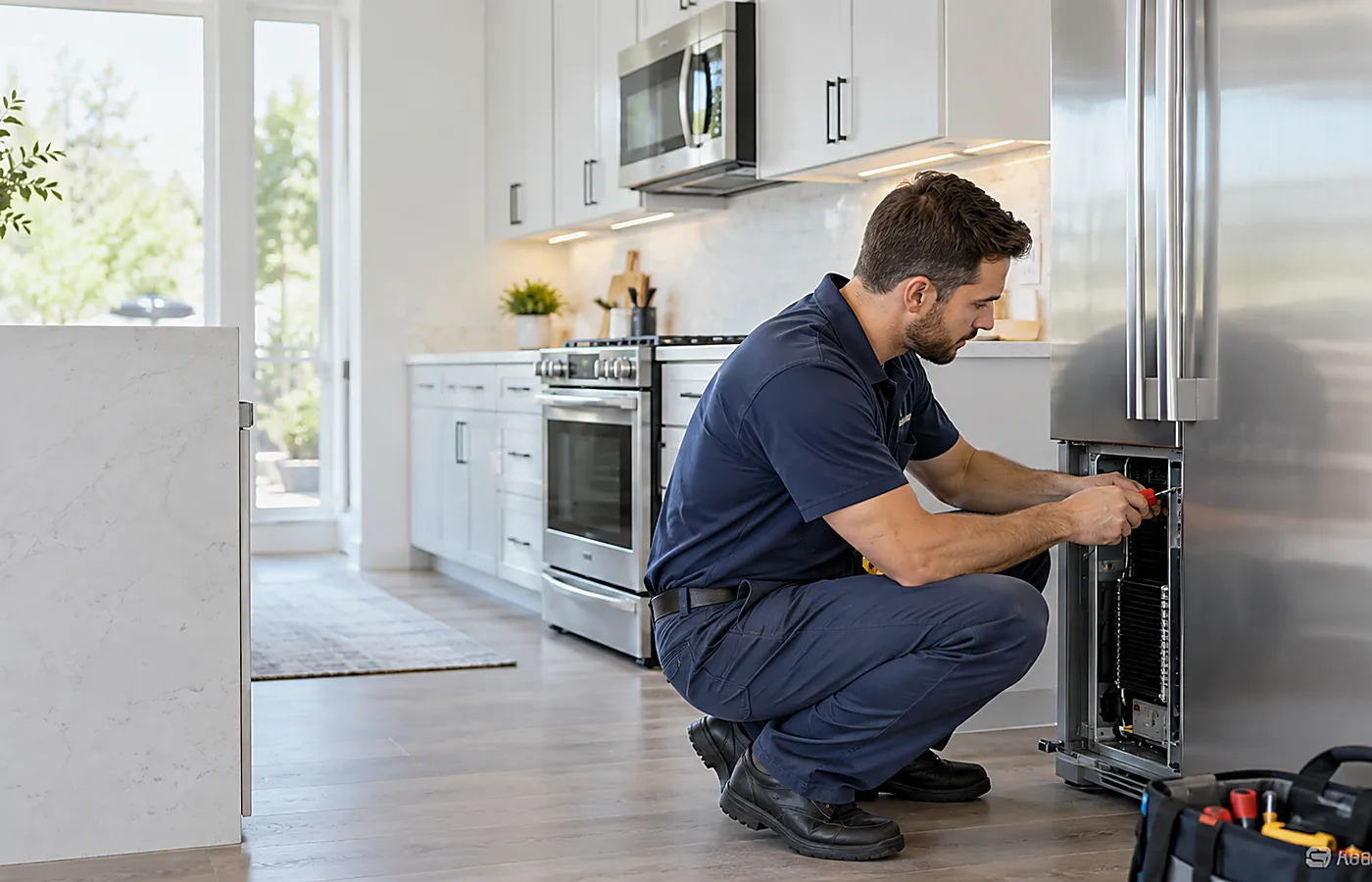
Independent providers can diagnose and repair many household appliances outside manufacturer coverage, often across several major brands. Their strengths can include broader local service flexibility and practical experience with older platforms that are no longer part of a manufacturer program.
Independence does not guarantee that a provider handles every brand or repair. Ask about the specific appliance, model family and fault. Sealed refrigeration work, premium built-ins and proprietary electronics may require capabilities that differ from routine washer, dryer or dishwasher service.

How should coverage status change the decision?
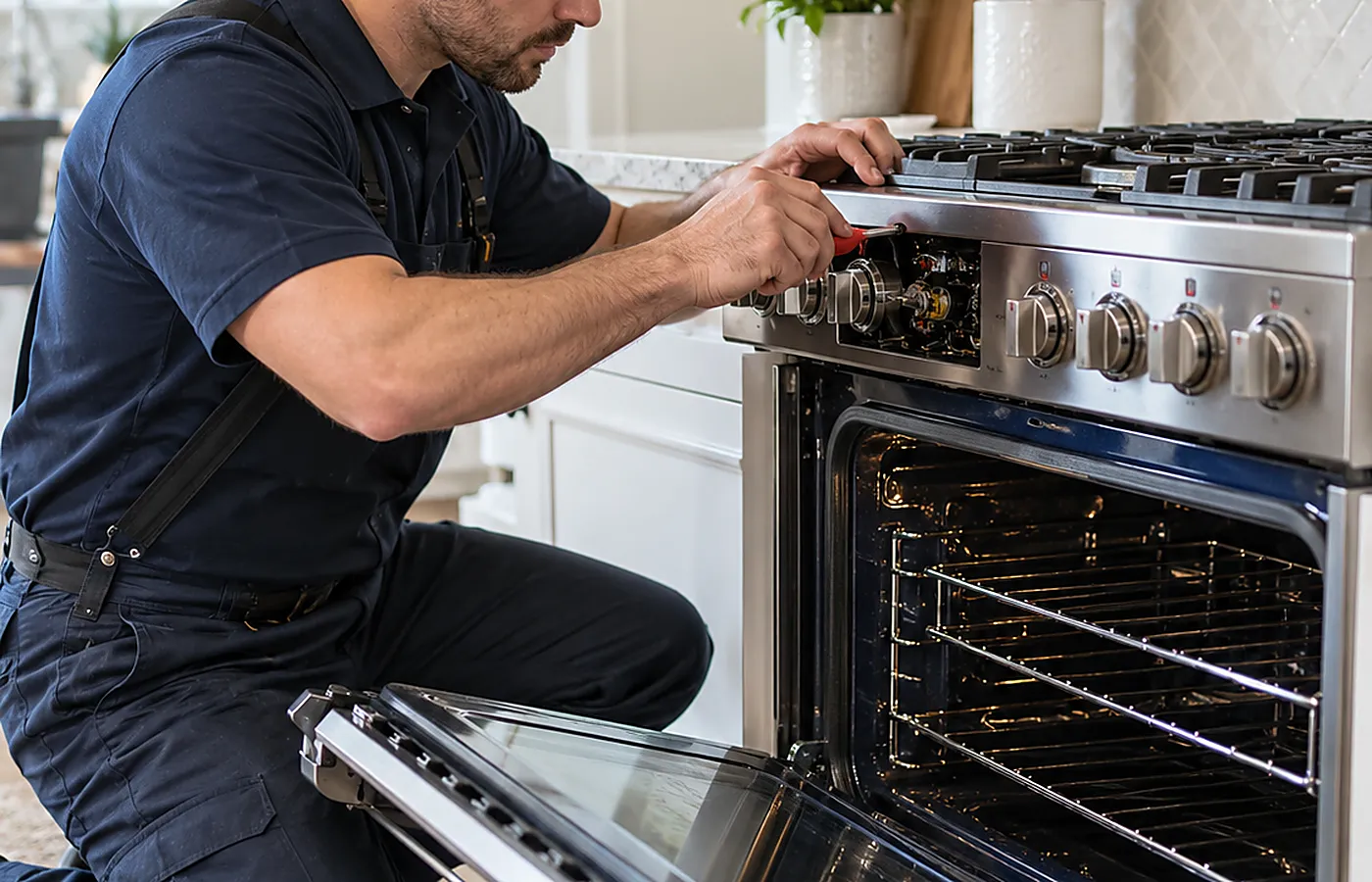
Before anyone opens the appliance, locate the model and serial number and check purchase or manufacturer documentation when coverage may still apply. Some plans require a defined service channel, and using another provider can create complications if authorization is required.
If the appliance is outside coverage, the decision becomes more about technical fit, parts availability, scheduling and the condition of the appliance. Keep documentation anyway because service bulletins, parts revisions and model details can still help diagnosis.
Parts access and technical information matter.
A service provider needs the correct component for the exact model, not merely a part that resembles it. Manufacturer part numbers, revisions and availability can affect whether a repair is straightforward. Some brands make technical documentation and components widely available, while others keep parts or diagnostics within narrower channels.
Ask what happens when the needed part is not carried locally. A good process explains whether the appliance can remain safely out of service, whether the part needs to be ordered and whether a second visit will be necessary.

Use a simple decision framework.
Start with coverage status, then confirm provider scope, then consider the appliance’s condition and repair history. If the problem involves a safety-critical gas issue, sealed refrigeration system or complex electronics, technical capability deserves more weight than convenience alone.
For Franklin homeowners, location still matters for practical service coverage, but it should not override expertise. The best local path is the one that can responsibly handle the appliance you actually own.
Authorized and independent service compared
| Factor | Manufacturer-authorized path | Independent path |
|---|---|---|
| Manufacturer coverage | Often required for covered work | May not satisfy manufacturer requirements |
| Brand specialization | Usually narrower brand focus | May work across several brands |
| Older appliances | May depend on brand support | Can be practical when parts and knowledge remain available |
| Proprietary diagnostics | May have direct access | Access varies by provider and brand |
| Local flexibility | Depends on authorized network | Depends on local provider capacity |
Neither column is universally better. Verify the appliance’s coverage status and the provider’s actual technical scope.
How to choose between the two paths
- Find the model and serial number. You need the exact appliance identity before checking coverage or service scope.
- Check manufacturer documentation. Confirm whether an approved service channel is required.
- Describe the symptom accurately. Avoid diagnosing the part yourself; report what the appliance does.
- Ask about platform experience. Confirm the provider works on that appliance and brand family.
- Choose the path that fits the repair. Complex or covered work may justify a narrower specialist channel.
Frequently asked questions
Does “factory trained” mean the same thing as manufacturer authorized?
Not necessarily. Training and authorization are different claims. Verify the relationship with the manufacturer if it affects your service decision.
Can an independent technician work on a premium brand?
Sometimes, but capability varies. Built-in or premium equipment can require specialized tools, parts access and platform knowledge.
What if the manufacturer no longer supports the appliance?
An independent provider may still be able to service it if parts and technical information remain available, but repairability depends on the specific model and failure.
Should I contact the manufacturer before calling local service?
It is sensible when the appliance is relatively new, coverage may remain active, or a special manufacturer program could apply.
Related Franklin appliance resources

Harpeth Appliance Works Editorial Team
This Franklin homeowner guide focuses on manufacturer-authorized or independent appliance repair: which path fits?, with practical preparation steps and clear boundaries between safe observations and service-level diagnosis.
Editorial responsibility →